

Today’s workplace is characterized by technology-driven change at hyper speed, evolving business models and shifting employee expectations. This makes it mandatory to adapt and innovate. At the heart of this transformation is a fundamental, innate human trait that is often underestimated: curiosity.
Curiosity is more than just a personality trait; it is a strategic enabler for navigating uncertainty and embracing the opportunities of the AI era. Organizations that cultivate curiosity unlock their employees’ potential to question assumptions and explore new possibilities. In doing so, they position themselves as leaders in an increasingly competitive landscape.
But how do organizations build a workplace that fosters curiosity in meaningful, measurable ways?
Let's revive curiosity as a new personal superpower in the age of AI.
Why Curiosity Matters in the Modern Workplace
The advent of AI and other transformative technologies has amplified the importance of curiosity. These tools promise to revolutionize how we work, offering efficiency gains and new opportunities for innovation. Yet their successful integration requires more than technical know-how; it demands a workforce willing to experiment, adapt and embrace continuous learning.
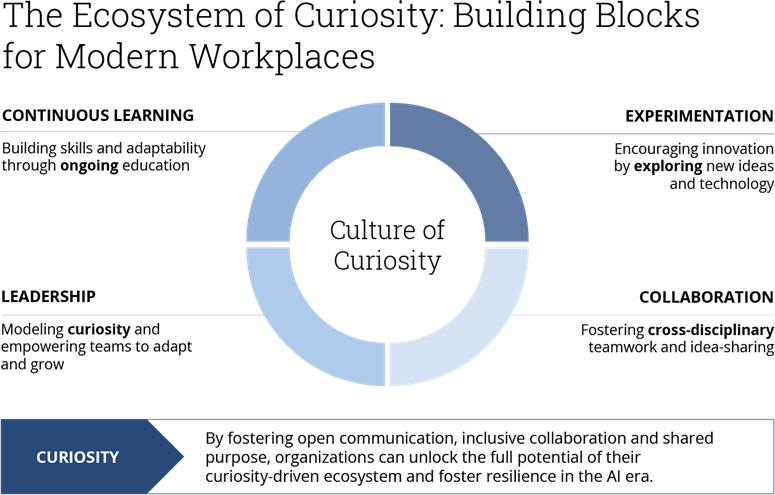
Figure 1: The Ecosystem of Curiosity: Building Blocks for Modern Workplaces (source, ISG)
Figure 1 shows the benefits that come from a culture of curiosity. It can function as an antidote to challenges many enterprises face, including resistance to change, fear of failure and a lack of engagement with new technologies. Curiosity can help employees and leaders alike to view change as an opportunity rather than a threat.
AI’s transformative power depends not on its technical capabilities but on how people interact with it. Encouraging curiosity allows employees to move beyond initial skepticism and explore AI’s possibilities, leading to innovative use cases tailored to organizational goals.
The Mindset for Finding the Golden AI Use Case
The hunt to do more with less is not over. And AI needs to be part of the solution. Not everyone realizes that finding AI’s “golden use case” often begins with open-minded experimentation. Intrinsically motivated employees are more likely to identify these breakthrough applications, which often lie outside predefined workflows. For instance, an AI tool originally introduced for process automation might unexpectedly enhance cross-departmental collaboration or creative ideation. This kind of workplace serendipity is a product of a culture of curiosity and opportunity.
AI’s low learning curve makes it a perfect tool for curious minds. Regular exploration and iterative learning create opportunities to discover hidden capabilities and drive meaningful improvements in productivity and innovation.
Moreover, curiosity is increasingly seen as a critical leadership trait, enabling leaders to inspire teams, navigate complexity and foster a culture of innovation. At the organizational level, curiosity fuels the design of workplaces—both physical and digital—that encourage exploration, collaboration and productivity.
This means curiosity can redefine the future of work and empower organizations to thrive in the AI age.Please fill out this form to continue.
About the author
Roman Pelzel
Roman Pelzel is a thought leader and trusted advisor with more than 25 years of experience in leading and facilitating digital workplace strategies and technologies as well as ITIL/value-driven service management in different business areas (insurance, automotive, utilities, e-commerce). He has made it his mission to sustainably connect talent and technology by helping organizations transform their digital workplaces into a digital work state experience that put people first. Roman is a recognized expert in workplace management technologies as well as hardware and software rollouts. He contributes to his clients' success with his comprehensive expertise gained in various roles, combining leadership, coaching and technical skills.
Related stories