
We know supply chains and global business are vulnerable to world events. IT outages, cybersecurity incidents, economic volatility, disrupted transport routes, geopolitical tensions and conflicts have significant and often lasting impacts. The multitude of foreseeable and unforeseeable events require attention, and – depending on your enterprise supply chain strategy – plans for both mitigation in the short term and prevention in the long term.
At the same time, regulations around the world are constantly adding complexity to supply chain management. Organizations need to invest considerable time and effort into understanding requirements and how different laws and standards across the globe overlap.
How can organizations brace themselves for the growing tide of challenges to their supply chains?
Of course, technology can and should be a critical part of the solution. But disruptive technologies in particular, which are most promising in helping to reduce complexity and effort, can pose risks of their own. The key to any leadership team tasked with enhancing supply chain resilience is careful evaluation, thoughtful orchestration and speedy decision-making.
What Do We Mean by Supply Chain Resilience?
Resilience in this context is an enterprise´s ability to identify, respond to and successfully overcome adverse events and crises impacting the supply chain. In principle, enterprise challenges are similar across industries, therefore the approach to tackle them can be based on the same principles. To be resilient is to understand and effectively manage the risks to your supply chain and supplier ecosystem, including ensuring adequate resources and being prepared to execute appropriate measures.
The first step is to structure and segment the supply chain to identify and fully understand the risks posed. This requires bringing together many and varied sources of information – and constantly monitoring them. Figure 1 illustrates how complex it can be to capture all relevant sources of information at the same time.
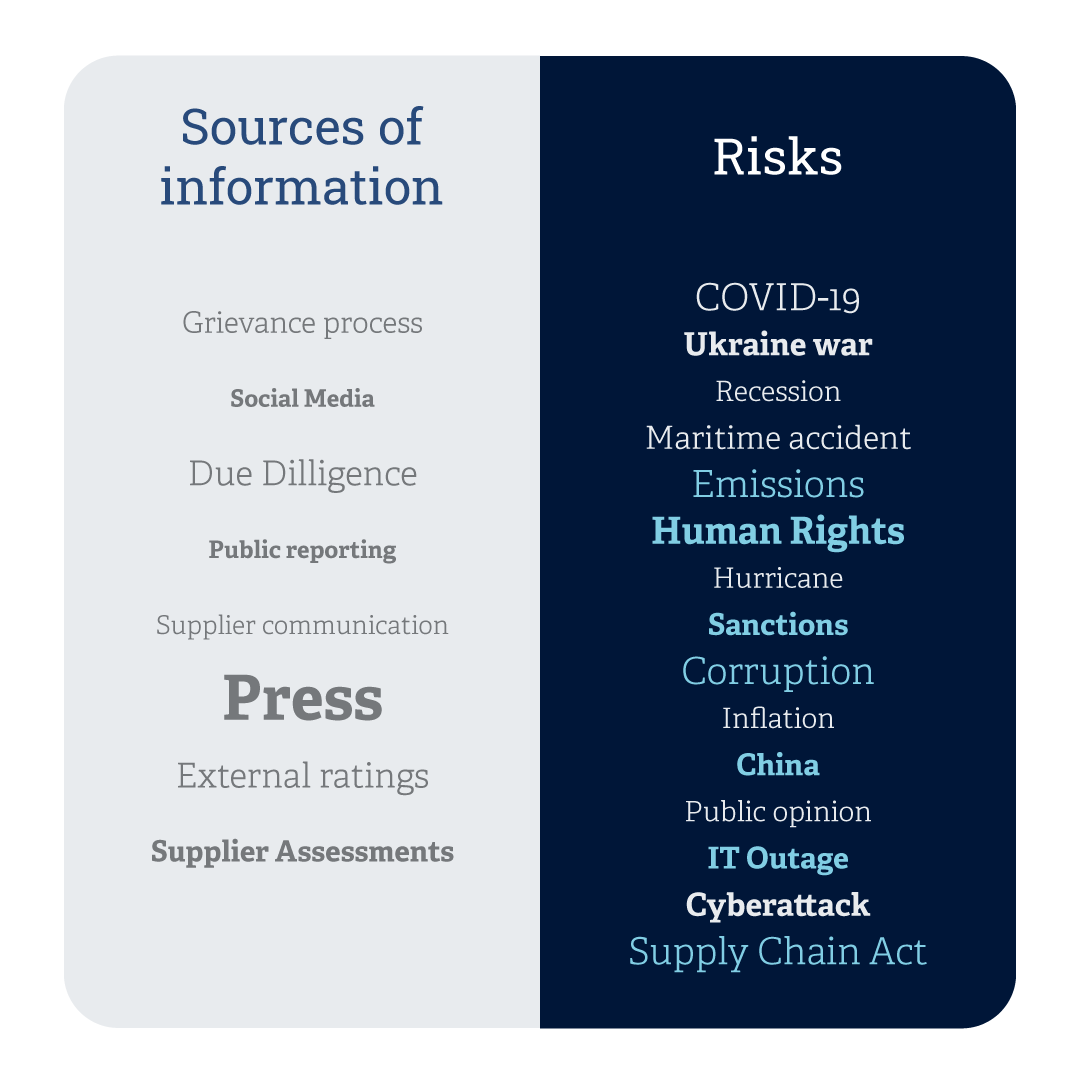
Figure 1: Understanding All the Risks to Your Supply Chain Requires a Comprehensive Look at all Sources of Information
5 Core Steps to Increase Resilience in Your Supply Chain
Building resilience is an ongoing exercise with a moving target. The following five steps serve as a starting point.
Design a clear resilience strategy: begin by evaluating your business objectives and translating them into operational requirements for the supply chain. The strategy will provide guardrails for decision-making and resource allocation, for protective measures as well as agile and adequate responses. Be sure to clearly define objectives and priorities for supply chain management. Create decision guidelines that ensure transparency, consistency, speed and effectiveness. Sound decision-making can be an enterprises’ resilience secret weapon.
Understand the risk portfolio: create a detailed view of the different types of risks from all angles and requirements across relevant corporate functions and map them to the end-to-end supply chain as well as to the suppliers that would be impacted by or be the cause of such risks.
Define who does what: clearly identify the processes, roles, responsibilities and accountabilities for different risks. Hold stakeholders – both internal and external – accountable by managing their performance and risks.
Establish controls: Build, assess and regularly review a third-party risk framework with performance indicators to enable (automated) identification and reporting of risks. Build and maintain holistic supplier risk profiles and compliance requirements. Be sure to integrate them into sourcing, risk monitoring, mitigation and prevention activities.
Leverage technology: define, capture, synchronize, evaluate and leverage required data – from internal sources, suppliers and other external sources – and connect stakeholders in automated workflows to facilitate fact-based evaluation and response to risks.
To achieve these five action steps, organizations need a structured approach that spans multiple enterprise functions, data sources and business processes. It’s important to involve relevant stakeholders so they can provide insights, accept accountability and become an integrated part of the ongoing risk management mechanics – and to move quickly to minimize risk exposure. The result should be a comprehensive risk framework that integrates the above components into a continuously managed supply chain resilience strategy.
Please fill out this form to continue.
About the author
Tanja Kruse-Jones
Tanja Kruse-Jones leads ISG’s Supplier Management and Managed Governance Services service lines in EMEA, which provides holistic solutions to complex multi-sourcing environments. Tanja´s focus area of expertise is centered around designing, operationalizing and automating Vendor governance, processes and operations. Tanja has supported many client organizations in optimizing their organizational set up and IT Vendor Management processes to improve client satisfaction, achieve operational excellence and deliver tangible business value. Tanja´s special expertise lies in integrating the people-aspect in transformation initiatives to achieve sustainable results. Tanja has been working in IT consulting for more than 20 years.
Related stories