
Global capability centers (GCC) are hot. Enterprises are finding this form of operating subsidiary that provides services back to the parent organization can bring substantial benefit. According to ISG Research, in the next 24 months, nearly a quarter of enterprises we asked are looking to set up a new GCC and 40% are looking to expand their GCCs.
Why a GCC?
Organizations are looking for ways to access the talent they need to deploy advanced technologies such as generative AI, machine learning, analytics and cloud – and they are looking for ways to deploy them at scale. And, while they’re at it, they need to optimize costs. This means both smart investment and cost take out.
This is why GCCs make sense for certain organizations. It’s a way to balance transformation and cost optimization. We have found that companies investing in GCCs are after three specific outcomes: access to talent, strategic innovation and business value enabler.
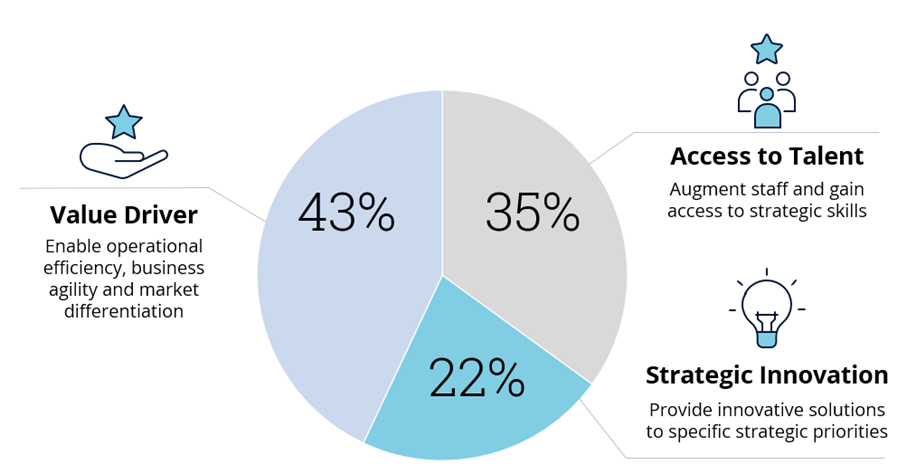
Figure 1: Key Strategic Drivers for Establishing a GCC
The Three Strategic Drivers for Establishing and Scaling a GCC
Access to talent: As organizations accelerate their technology and business transformations, they need to attract and retain talent with the skillsets they require, especially in advanced capabilities. With low unemployment in the U.S. and an aging population in Europe, organizations are increasingly recognising the need to establish centers in talent-rich locations, such as India, China, Philippines, Mexico and Brazil, where they can recruit at scale and at a cost point that delivers a viable business case.
Strategic innovation: Recruiting and retaining the right talent can be a powerful antidote lack of innovation. Enterprises need to underpin this talent with technology, platforms and solutions that will catalyze innovation at scale.
Business value enabler: The potential value of a GCC as a strategic asset falls into three discrete categories. First is the value gained from operational efficiency through optimized processes and cost structures. Second is the value resulting from the GCC's agility, enabling the business to quickly adapt to changing market conditions and customer demands. Third is the value derived from higher value-adding retained capabilities, with a focus on enabling business innovation and differentiation.
Unlike traditional captives or global shared service centers focused on labor arbitrage and technology or process optimization, newer GCCs – those established since 2021 – are increasingly being used as innovation hubs, transformation CoEs and centers for emerging technologies.
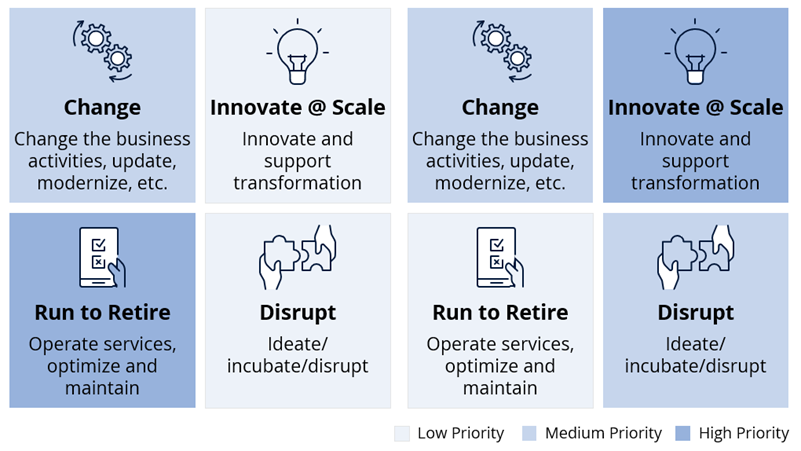
Figure 2: Evolution of GCC Focus
But, for many enterprises, establishing and scaling a GCC is not as straightforward as they first think. Establishing a GCC often takes far longer and is more complicated than expected. Two of the most common challenges include:
Complexity: Of the key challenges highlighted by enterprises in a recent survey, complexity scored highest, with 34% of respondents scoring this within their top three concerns. Most organizations lack the in-house knowledge and experience needed for a challenge of this scale and complexity.
Lack of talent: ISG Research finds that 31% of enterprises rated retention and attrition as their highest concerns when it comes to establishing a GCC, and 28% highlight challenges around talent recruitment. Enterprises often lack the presence, brand or permissions to attract the talent they need.
Please fill out this form to continue.
Related stories